
Medicaid is a joint state and federal program designed to help eligible individuals have access to health care, including long-term care. The Agency for Health Care Administration is responsible for Florida's Medicaid program. Applications are submitted through the Department of Children and Families, the agency responsible for determining applicants' eligibility.
For many families, Medicaid becomes important when a loved one needs long-term care in a nursing home, an assisted living facility, or at home. The cost of care is often more than an individual or family can afford. Medicaid can assist elderly and disabled individuals with the cost of care in a nursing home or assisted living facility. Furthermore, Medicaid can also assist with the cost of care at home.
Medicaid is a needs-based program, which means individuals must meet certain eligibility criteria. The Medicaid application process can be daunting, and qualifying often requires very careful planning. Seeking the assistance of an elder law attorney to assist you in this area is extremely important.
If you're considering whether Medicaid is right for you or your family's situation, or if you’re wondering what to do next, we’re here to help. For more than 20 years, the attorneys at HKH Elder Law have helped Florida families navigate Medicaid planning and eligibility. We'll explain your options, guide you through the process, and help you and your family move forward with confidence.
In addition to federal Medicaid law, Florida has its own set of rules, regulations, and interpretations. Here are a few of the state-specific factors that can potentially affect families:

Florida is an income-capped state, meaning there is a hard limit on how much income an applicant can have and still qualify for long-term care Medicaid. If an individual is over the limit, there are solutions, including establishing a Qualified Income Trust, which can be put in place to help obtain eligibility.
In addition, there is an asset limit for Medicaid eligibility in Florida. Another factor to consider is the potential penalty that may result from the improper transfer or gifting of assets.
When reviewing Medicaid applications, the state applies a five-year lookback. Any gifts or asset transfers made during that window can result in a penalty period of ineligibility. It's not too late to plan. There are strategies available to protect assets and help qualify for Medicaid.
Florida has protections for the homestead. The homestead is typically considered a non-countable resource up to a set amount. There are also protections in Florida for the community spouse (the spouse who remains). The details entirely depend on the family's full financial picture. An experienced elder law attorney can help determine the best course of action for your specific situation.
Eligibility standards, including income and asset limits are reviewed and updated annually by the state.
Working with an attorney who specializes in this area of law can be beneficial for families attempting to navigate this complex area.
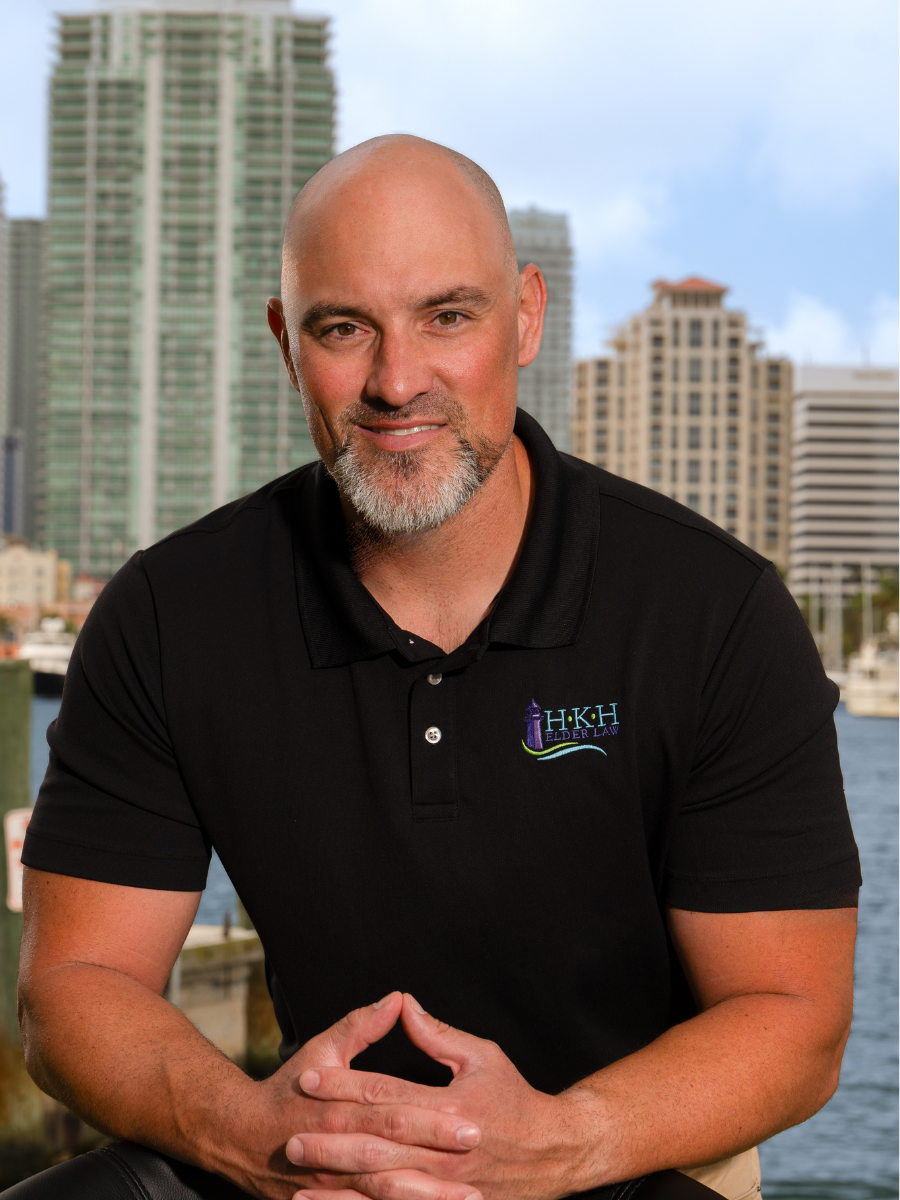
Attorney Jonathan Kinsella walks through common Medicaid questions, including eligibility, planning, and how to prepare for the application process.
Contact us today at (727) 343-8959 or fill out our online form to schedule a consultation. We look forward to meeting you.
Contact Us

Attorney Jonathan Kinsella walks through common Medicaid questions, including eligibility, planning, and how to prepare for the application process.
Contact us today at (727) 343-8959 or fill out our online form to schedule a consultation. We look forward to meeting you.
Contact Us.png)

.png)

.png)